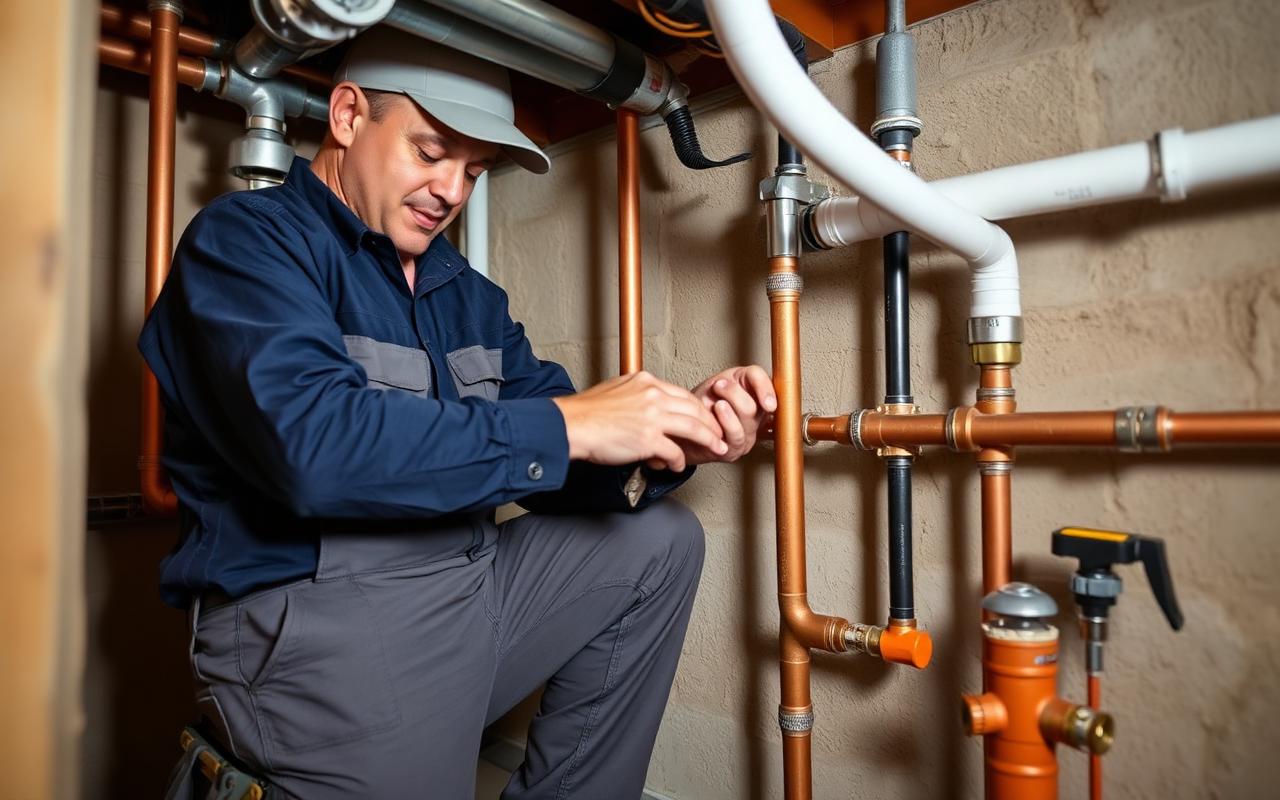
Repiping
Over 30 years of repiping experience. Red Seal Certified with honest pricing and workmanship guaranteed.
Home Repiping Services and Whole-House Pipe Replacement
When pipes start to fail, it usually doesn't begin with a dramatic flood. It starts with stains on the ceiling, rusty water in the sink, or another "small" leak you have to call someone about. Whole-home repiping is how you stop chasing those problems and rebuild your plumbing system so it is safe, reliable, and ready for the next few decades.
Much like the human body relies on blood vessels to circulate blood, your home's plumbing system depends on pipes to transport water and waste, damage to these "blood vessels" can lead to leaks, clogs, and other serious issues.
DJ Plumbing & Heating Service has been repiping homes and buildings for over 30 years. We handle everything from small bungalows to heritage homes, strata units, restaurants, warehouses, and hotels. Repiping a house is a comprehensive upgrade that ensures your plumbing system is modern, efficient, and built to last. If your pipes are old, leaking, or made from problem materials, we can replace them with a modern system that keeps up with how you live today.
Our team brings local expertise to every project, serving clients throughout Greater Vancouver with reliable, professional repiping solutions.
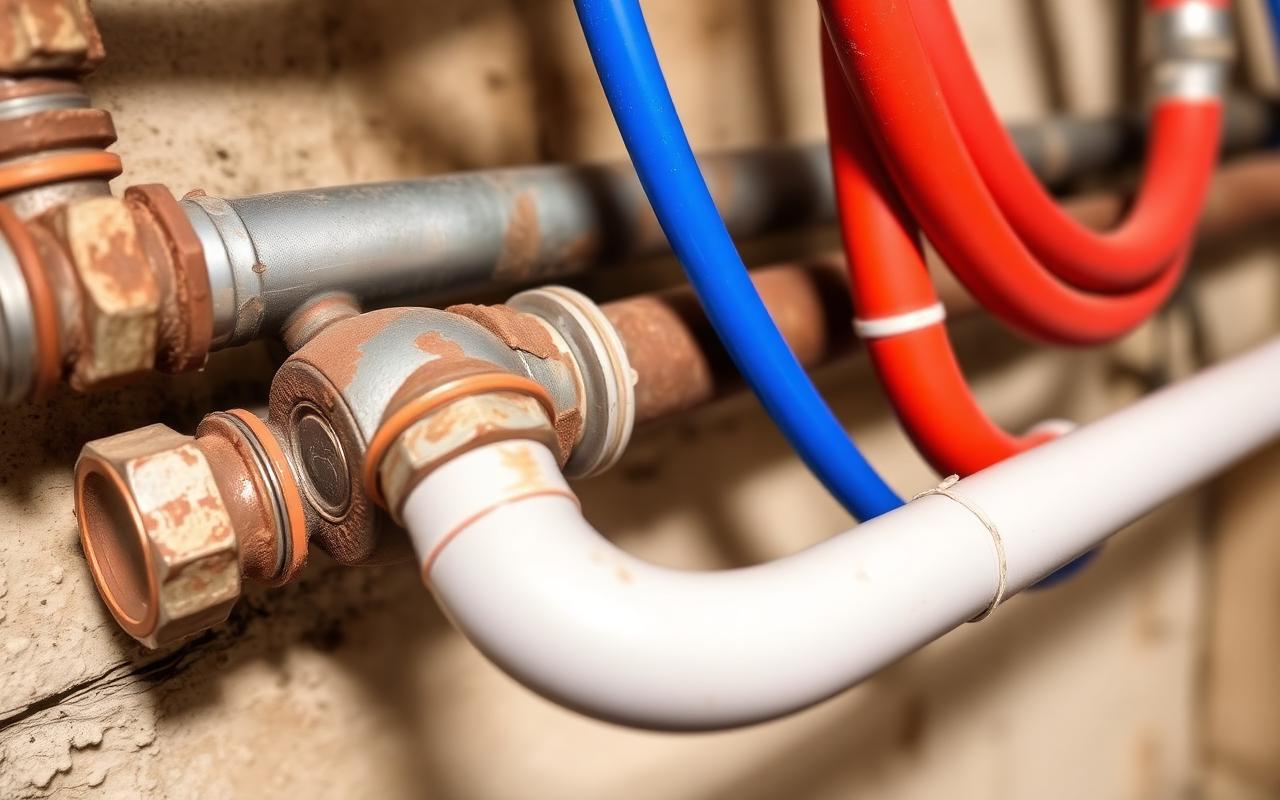
Do You Really Need Repiping?
What Repiping Means for Your Home
Repiping means replacing the water supply pipes in your home with new ones. Repiping, or a repipe, involves removing outdated or damaged plumbing systems, such as galvanized steel or cast-iron pipes and installing a new network of piping from the main supply to your fixtures: sinks, toilets, tubs, showers, and appliances.
It is different from a simple repair. A repair deals with one problem spot. Repiping addresses the entire system and is often undertaken as a repiping project or house repiping when the plumbing has reached the end of its life, or when the material is known to fail.
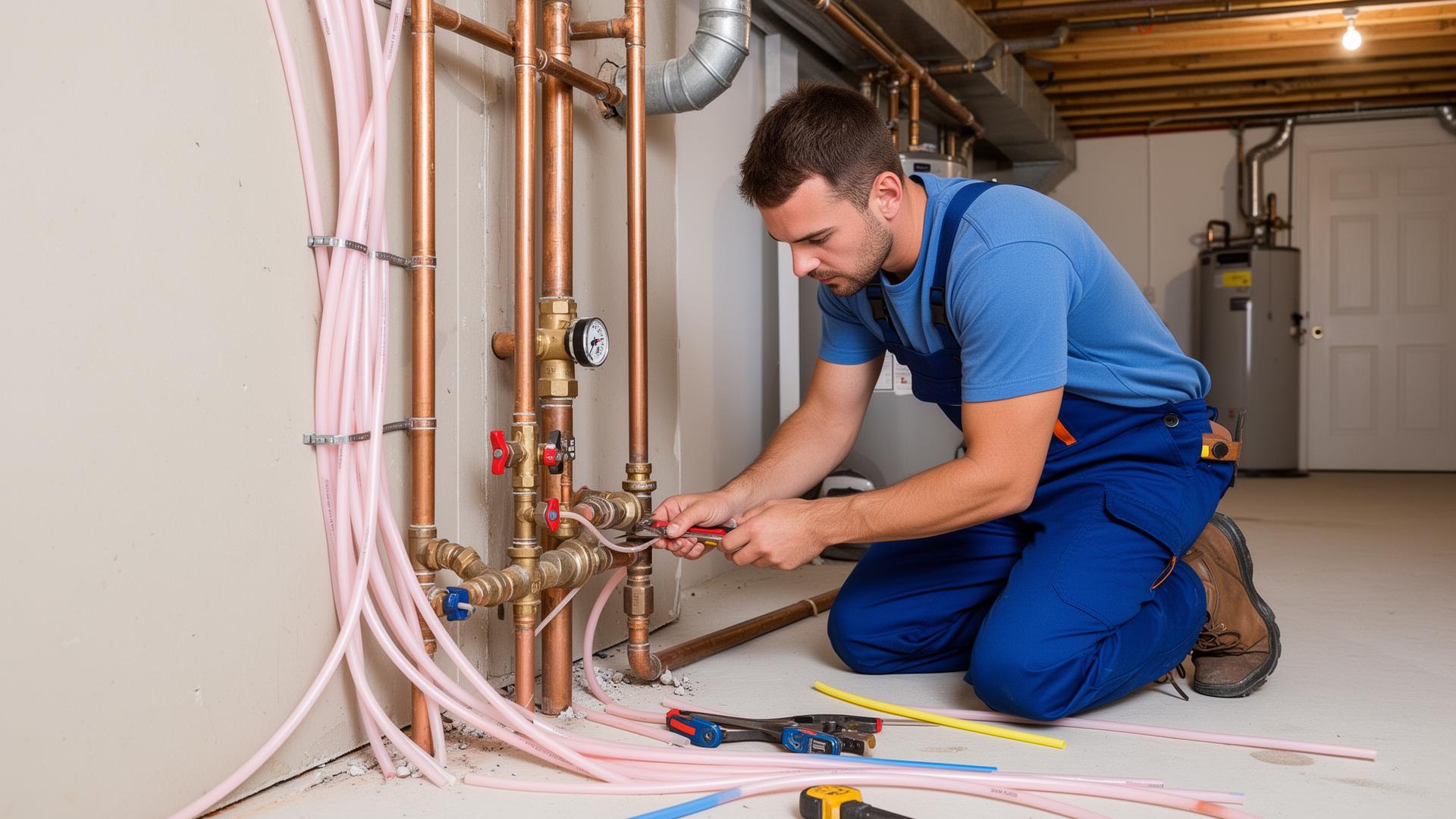
Red Seal Certified
Licensed journeyman plumber and gas fitter with over 30 years of repiping experience
Minimal Disruption
Strategic access, daily cleanup, and water restored each evening when possible
Complete Service
Plumbing, permits, inspections, drywall repair, and paint, all coordinated by us
Warning Signs to Watch For
Here are some telltale signs we see again and again before a home ends up needing a full repipe. Frequent leaks are a clear sign that your house needs repiping. If you are fixing more than one of these problems in different parts of the house, that is usually your plumbing system telling you it is time to talk about repiping.
Pipe Materials That Are Known to Fail
Some materials are simply not worth repairing anymore. If your home still has any of these materials, repiping is not just an upgrade. It is risk reduction.
The Real Risks of Ignoring Old Pipes
- A burst pipe causes significant water damage, flooding multiple levels and leading to costly repairs
- A hidden pipe bursts while no one is home, flooding multiple levels
- Ceilings sag and collapse from soaked drywall
- Flooring swells and warps beyond repair
- Mold starts behind walls and under floors
- Insurance claims, higher premiums, or coverage problems
Most serious water damage jobs we see could have been prevented. Ignoring plumbing issues can lead to other problems such as mold, structural damage, rust, mineral buildup, or leaks. Homeowners often ignore early warning signs until something major happens. At that point, the cost is no longer just plumbing. It is drywall, flooring, cabinets, furniture and sometimes temporary accommodation. Repiping can help avoid larger, more expensive problems in the future by addressing underlying plumbing issues and preventing other problems from developing.
How New Piping Protects Your Home Long-Term
- Clean, clear water instead of rusty or cloudy water
- Stable, consistent water pressure across the home
- Fewer leaks and plumbing emergencies
- A system built to current code and modern standards
- A big selling point when you go to list the home
- Less worry every time you leave for a weekend or vacation
A proper repipe is a long-term fix. When we replace problem materials with modern PEX or thicker copper, you get the benefits below. You are investing once instead of spending repeatedly on repairs and damage.
Why Homeowners Choose DJ Plumbing & Heating Service for Repiping
30+ Years of Repiping Experience
We have been working on aging plumbing systems for over three decades. In that time, we have repiped:
- Heritage homes with plaster walls and original trim
- Single-family homes and townhomes with Poly-B or galvanized systems
- Strata units where one leak can affect neighbours
- Mixed-use and commercial buildings with complex risers and branch lines
We understand how older buildings were built, how modern houses are plumbed and how to bring both up to today's standards with as little disruption as possible.
Skilled Plumbing Technicians
Our repiping work is done by experienced, plumbing techs, not whoever was free that day. You get:
- Skilled trades who know the difference between a quick fix and a real solution
- Work done to code, with proper supports, bracing, and fire-stopping
- A team that treats your home like their own, not like a job site they will never see again
Honest and Transparent Pricing
We do not throw out ballpark repiping numbers over the phone. Every home is different. Our quotes include:
- A full on-site assessment
- Written scope of work and clear materials needed
- List of required permits and inspections
- Drywall patching by our partner trades
- Testing and clean-up
No games, no surprise "extras" halfway through.
Local, Owner-Led Service You Can Reach
With DJ Plumbing & Heating Service, you are dealing with a local company that plans to be around long after the job is done. You have direct access to decision-makers, not a call centre somewhere else. Our reputation is built on long-term relationships and word of mouth, so cutting corners is not an option.
Our Repiping Services
Whole-Home Repiping
Whole-home repiping is the right choice when:
- Your home still has Poly-B, galvanized steel, lead, or other outdated materials
- You are fighting constant leaks in different areas
- Water pressure and water quality are poor across the house
Repiping a house not only resolves plumbing issues but also significantly improves the quality of your drinking water by eliminating old or hazardous pipes that can cause contamination. Repiping is especially advisable during home renovations, particularly in kitchens and bathrooms where water is consumed most frequently. We replace the main water distribution system with modern PEX or copper, tying in each fixture and appliance. The result is a fresh start for your plumbing.
Sectional and Targeted Repiping
Not every situation needs a full repipe right away. Before deciding on sectional repiping, it's important to have an initial inspection by a licensed plumber to assess the condition of your plumbing system and determine the best approach. In some homes, a sectional repipe makes more sense, for example:
- One wing of the house is older and problematic
- You are renovating a kitchen or bathroom and want to upgrade that zone (integrating repiping into remodeling projects can help avoid future plumbing issues and costs)
- Most of the system is modern, but a certain run keeps failing
We will explain when a partial repipe is a smart step and when it is just delaying a bigger problem.
Poly-B and Kitec Replacement
We will not repair Poly-B or Kitec and pretend that solves the issue. Once a building has had one failure, more are usually on the way. Our approach:
- Map all runs of Poly-B or Kitec in the home
- Replace them with PEX or copper, including proper fittings and supports
- Provide documentation for your records, insurance, and future buyers
Homeowners often tell us the peace of mind alone is worth it.
Galvanized and Failing Copper Replacement
We often see older galvanized and copper systems in the same house. Galvanized will choke pressure and stain fixtures. Old copper can quietly develop pinholes. Depending on the layout and goals, we:
- Replace galvanized and failing copper with PEX for flexibility and corrosion resistance
- Use thicker copper (Type L or K) in specific areas where it makes sense
- Clean up old, messy patchwork from years of repairs
Our Step-By-Step Repiping Process
Everything starts with a visit from a licensed plumber, not a guess. We walk the home with you, look at exposed piping, check pressure and fixtures, and ask about your history of leaks and repairs. You get straight talk, not scare tactics.
- What material you have now
- Where the biggest risks are
- Whether a full or partial repipe makes the most sense
Once you decide to move ahead, you see the plan before anyone starts cutting into walls.
- Help you choose between PEX, copper, or CPVC pipes based on budget, access, and goals
- Design a new piping layout that respects your building and local code
- Pull the required permits and schedule inspections
On day one, we explain when water will be off and for how long. In many homes, we can restore water at the end of each workday to keep disruption down.
- Cover floors and protect furniture and nearby surfaces
- Set up dust control where needed
- Go over the day's plan and which areas we will be in
We focus on being as surgical as possible. In heritage or detailed homes, we put extra care into hiding access points and working around finishes.
- Use existing access points like mechanical rooms, basements, or crawlspaces where we can
- Make small, strategic openings in walls and ceilings rather than tearing everything apart
- Run new PEX, copper, or CPVC pipes to each fixture, properly supported and strapped
Before any walls get closed, we pressure test the new system. Once the system passes, we flush every line until the water runs clear and check flow and balance while running multiple fixtures at once.
- Pressurize the lines with air or water above normal working pressure
- Monitor gauges and visually check all joints and fittings
- Fix any issue on the spot if something does not look right
A municipal inspection is booked where required. We then remove debris, vacuum, and leave the space ready to live in again.
- Our drywall partner patches and repairs all access openings
- Textures are matched as closely as possible
- Primer and paint are applied so patched areas blend into the room
We review your warranty and answer any questions, so you know exactly what was done and how to use your new system.
- Run taps, showers, and flush toilets together
- Check temperature and pressure at each fixture
- Show you the new shut-off valve locations if they have changed
Materials We Use For Repiping
PEX Repiping (PEX-A And PEX-B)
In many homes, PEX is the best choice for value, speed, and performance. Benefits:
- Flexible lines that can curve around corners with fewer joints in the walls
- No corrosion or scaling from aggressive water
- Better resistance to freezing because the pipe can expand
- Quieter operation with less water hammer
We typically use PEX-A when maximum flexibility and expansion fittings are preferred, and PEX-B when cost and chlorine resistance are the priority. We select the right type based on your home, not just what is on sale that week.
Copper Repiping
Copper is still a great material in the right situation, especially:
- Where rodent damage to plastic is a concern
- In exposed mechanical areas where rigid pipe is preferred
- For homeowners who simply want a traditional copper system
In corrosive water conditions, we use thicker Type L or sometimes Type K copper where it makes sense, and we design the system with those conditions in mind.
Materials We Will Not Use
There are materials we will not install in a repipe, even if they are cheaper:
- Poly-B and Kitec: Both have a long record of failures and are no longer accepted in modern installs.
- Type M copper: Too thin for aggressive water and prone to pinhole leaks.
- Galvanized steel and lead: Only removed, never added.
If a material has a history of early failures or insurance problems, it does not belong in your new system.
When A Full-Home Repipe is the Right Move
We recommend a full repipe when the situations below apply. In those situations, repairing one small section is like putting tape on a worn-out tire. It might hold for a while, but the risk does not go away.
When a Partial Repipe is Enough
We may recommend a sectional repipe when the situations below apply. We can build a roadmap with you: tackle the worst section now and plan future phases so you are not doing band-aid repairs in random spots.
How We Explain Options and Help You Choose
It is your home and your budget. Our job is to make sure you have clear information to make a confident decision. We lay out the options in simple terms:
How We Protect Your Home During a Repipe
Minimizing Holes, Dust and Mess
A repipe is real construction work, but it does not have to look like a demolition. Our process is designed for minimal disruption, allowing you to continue your daily activities with as little inconvenience as possible. Repiping projects can take anywhere from a few days to a week, depending on the size and scope of the work. We:
- Use flexible piping and existing access points to reduce the number of cuts
- Make smaller openings in corners, closets, and less visible spots when possible
- Use drop cloths, plastic barriers, and dust control tools
- Clean up at the end of every day, not just when the job is done
Homeowners often tell us they were surprised by how tidy the process felt compared to what they were expecting.
Working Around Your Schedule
We respect that you still need to live in your home:
- Work hours are planned with you in advance
- Water shutoffs are scheduled and kept as short as the work allows
- You always know which rooms we will be in each day
Drywall, Texture Matching and Paint
A big frustration with some repipe jobs is when plumbers leave the walls open and tell the homeowner to "find a drywall person." We do it differently:
- We are partnered with drywall and finishing specialists
- They come in after the plumbing passes inspection
- Patches, textures, and paint are done so walls and ceilings are restored
You do not have to manage three different companies to finish one job.
Heritage Home With Galvanized and Copper Failures
A historic home from the early 1900s was dealing with muddy water, very low pressure, and a new pinhole leak every few months. The house had original galvanized piping and later copper add-ons, both failing.
Strata Building with Poly-B Leaks
A strata complex had several leaks from grey Poly-B piping. Insurance was warning about possible coverage changes if nothing was done.
Mixed-Use Building with Ongoing Copper Pinhole Leaks
A mid-rise building had copper risers and branches that kept developing pinhole leaks. Spot repairs were happening every few months.
Repiping Costs, Quotes, And What to Expect
What Affects the Cost Of A Repipe
Every repipe is custom. Main cost drivers are:
- Size and layout of the home
- Number of bathrooms, kitchens, and fixtures
- Type of material chosen (PEX vs copper)
- How easy or hard it is to reach existing pipes
- How much drywall or ceiling has to be opened
We explain each of these factors during your assessment, so pricing makes sense, not just a number on a page.
Why We Only Quote After Seeing the Home
A repipe quote given without seeing the job is usually a guess. That is not how we work. In-person visits let us:
- Spot hidden issues like existing water damage or code problems
- See real access points, not just what a floor plan suggests
- Build a quote that will not change every time we open a wall
This protects both you and us from surprises and frustration.
What Our Repiping Estimate Includes
Our repipe estimates are designed to be complete, not full of gaps. They cover:
- Assessment and planning
- All approved materials, fittings and valves
- Labour for removal and installation
- Permits and inspections
- Pressure testing and flushing
- Drywall patching in affected areas
- Clean-up and disposal of old materials
Planning And Budgeting for a Repipe
Repiping is a real investment, but so is doing nothing and paying for repeated leaks and restoration. We can:
- Compare the cost of repiping vs. what you have already spent on repairs
- Help you prioritize timing if you want to stage the work
- Answer questions about how repiping can support resale value and insurance
The goal is a plan that fits your home, risk tolerance, and budget.
Repiping FAQs
Get a Free Quote Today
Fill out the form below and one of our team members will contact you within 2 hours during business hours.
Why Request Service Online?
Fast Response
We respond to all online requests within 2 hours during business hours.
Upfront Pricing
Receive a detailed quote before any work begins—no surprises.
Flexible Scheduling
We'll work around your schedule to find a time that works for you.
Plumbing Services Service Areas
We proudly provide plumbing services in:
Protect Your Home with Professional Repiping
Old or failing pipes do not fix themselves. You can keep patching leaks and hoping for the best, or you can replace the problem system with something you can trust. DJ Plumbing & Heating Service brings decades of experience, careful planning, quality materials, and clean restoration together in one repiping service. If you are seeing signs your pipes are reaching the end of their life, this is the time to get ahead of it. Contact DJ Plumbing & Heating Service today to schedule a repiping assessment and quote.