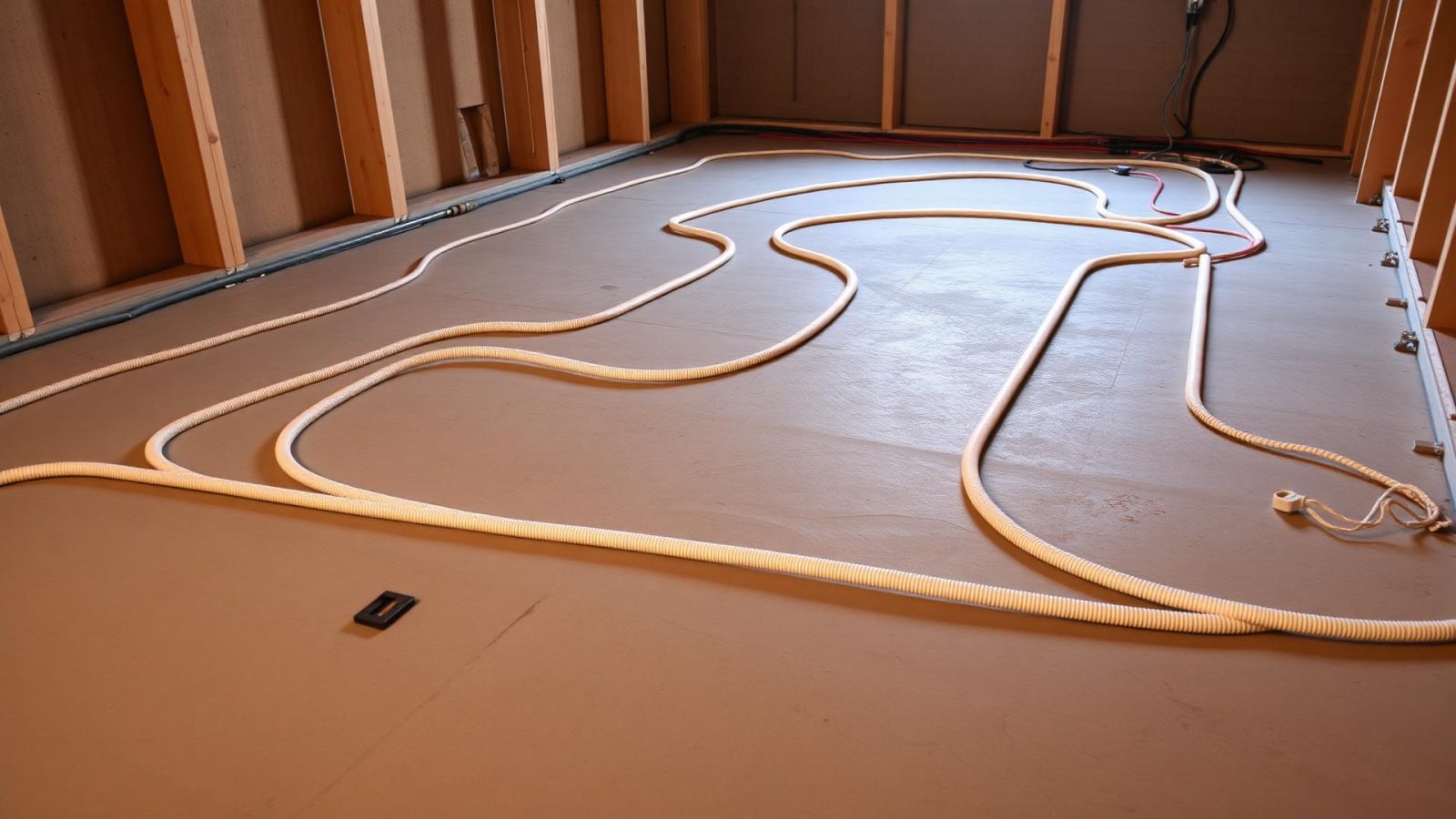
Hydronic Radiant Floor Heating Systems
Professional hydronic radiant floor heating installation for efficient, consistent home comfort, with expert workmanship guaranteed.
Hydronic Radiant Floor Heating Systems
Hydronic radiant floor heating is one of the most advanced forms of home heating available today. Unlike traditional heating systems that rely on forced air heating and ductwork, radiant heating delivers heat directly through the floor, creating consistent temperatures throughout the space.
At DJ Plumbing and Heating Service, we design and install hydronic radiant floor systems that provide efficient heating, long-term performance, and superior comfort for homeowners.
What Is Hydronic Radiant Floor Heating
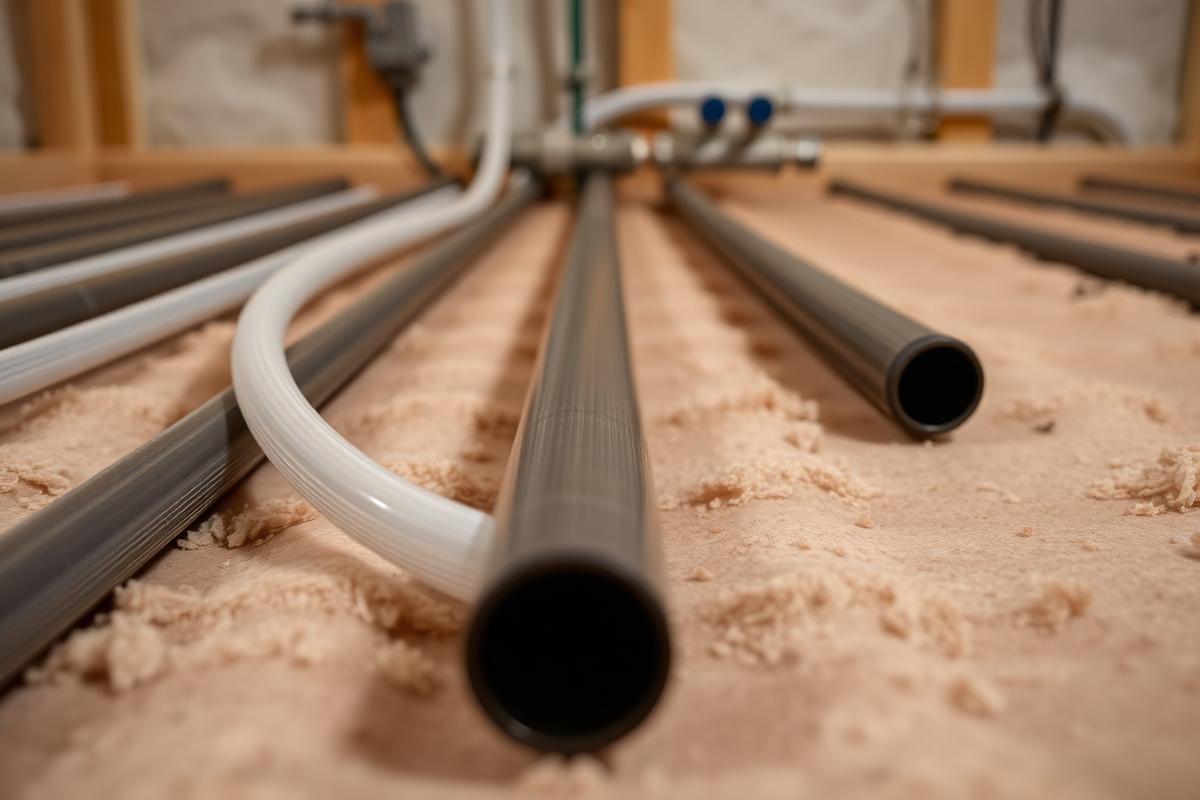
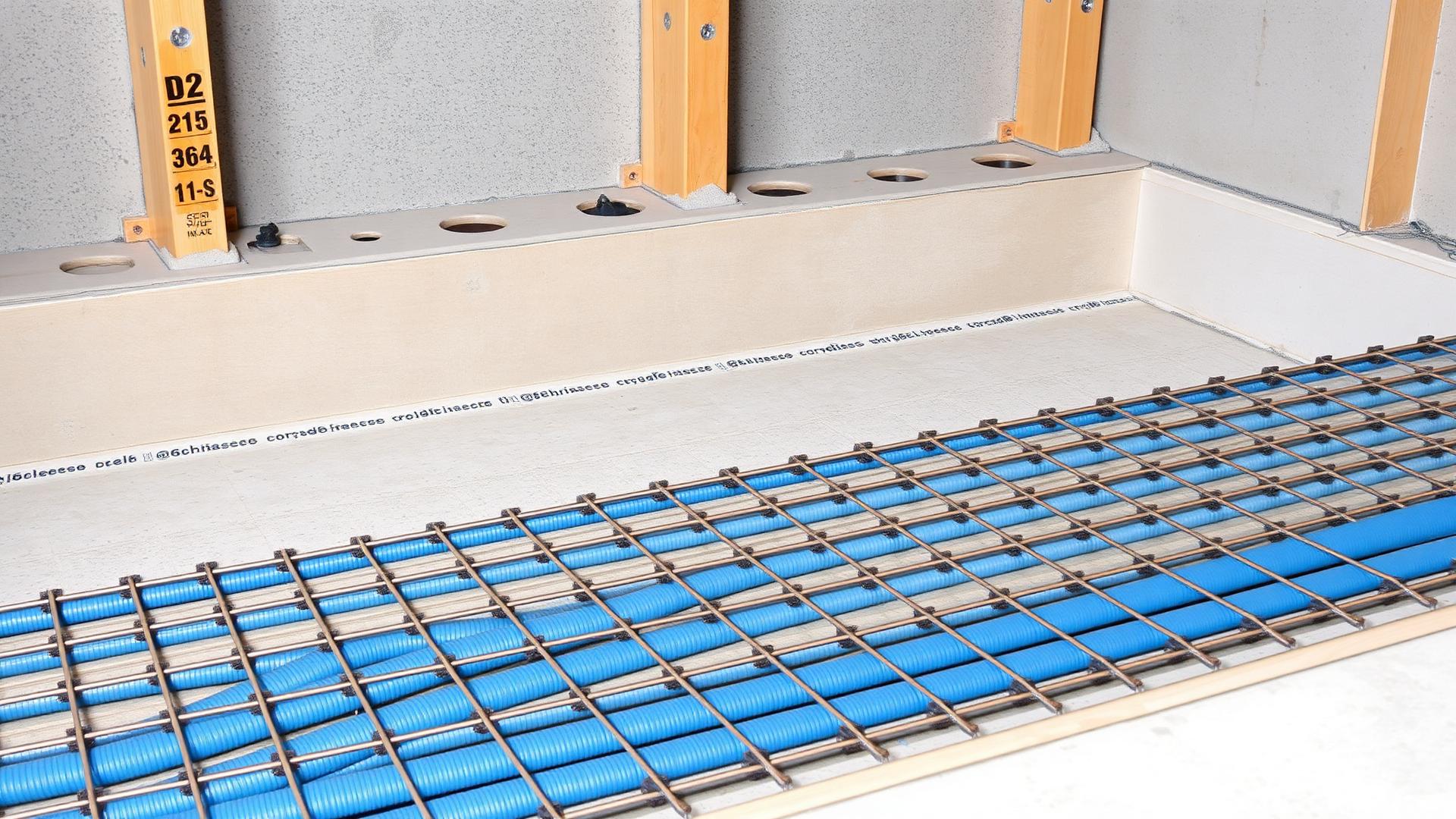
A hydronic radiant floor heating system uses hot water circulated through tubing installed beneath the floor. These hydronic systems turn the entire radiant floor into a heat source, allowing heat to rise evenly into the room.
This type of heating technology eliminates the need for ducts, vents, and warm air circulation. Instead of pushing air through a system, hydronic radiant floor heating uses water-based heating systems that distribute heat efficiently across the entire floor surface.
Hydronic floor heating is commonly installed in:
- Basements
- Bathrooms with tile floor covering
- Whole-home heating systems
- Concrete slab construction
Because the heat originates from beneath the floor, the system provides steady warmth without the temperature swings associated with traditional heating systems.
Hydronic Radiant vs Electric Radiant Floor Heating
There are two main types of floor heating systems: hydronic radiant floor and electric radiant floor heating.
Electric radiant floor heating uses heating cables powered by electricity. These electric floor heating systems are often used in smaller spaces such as bathrooms.
Is electric radiant floor heating worth it? It depends on the application. For small areas, electric systems can be effective. For larger spaces or whole-home heating, hydronic heating is significantly more efficient and cost-effective.
Hydronic Radiant Floor Systems
Hydronic radiant floor systems use a boiler to heat water, which is then circulated through tubing. This allows hydronic systems to deliver efficient heating across large areas with lower operating costs over time.
What You Get With Every Installation
Licensed Heating Contractors
Certified, insured technicians with real-world hydronic experience
Precision Installation
Every system designed and installed for long-term performance
Guaranteed Work
Expert workmanship with transparent pricing upfront
Why Homeowners Choose Radiant Floor Heating
Consistent Heat and Comfort
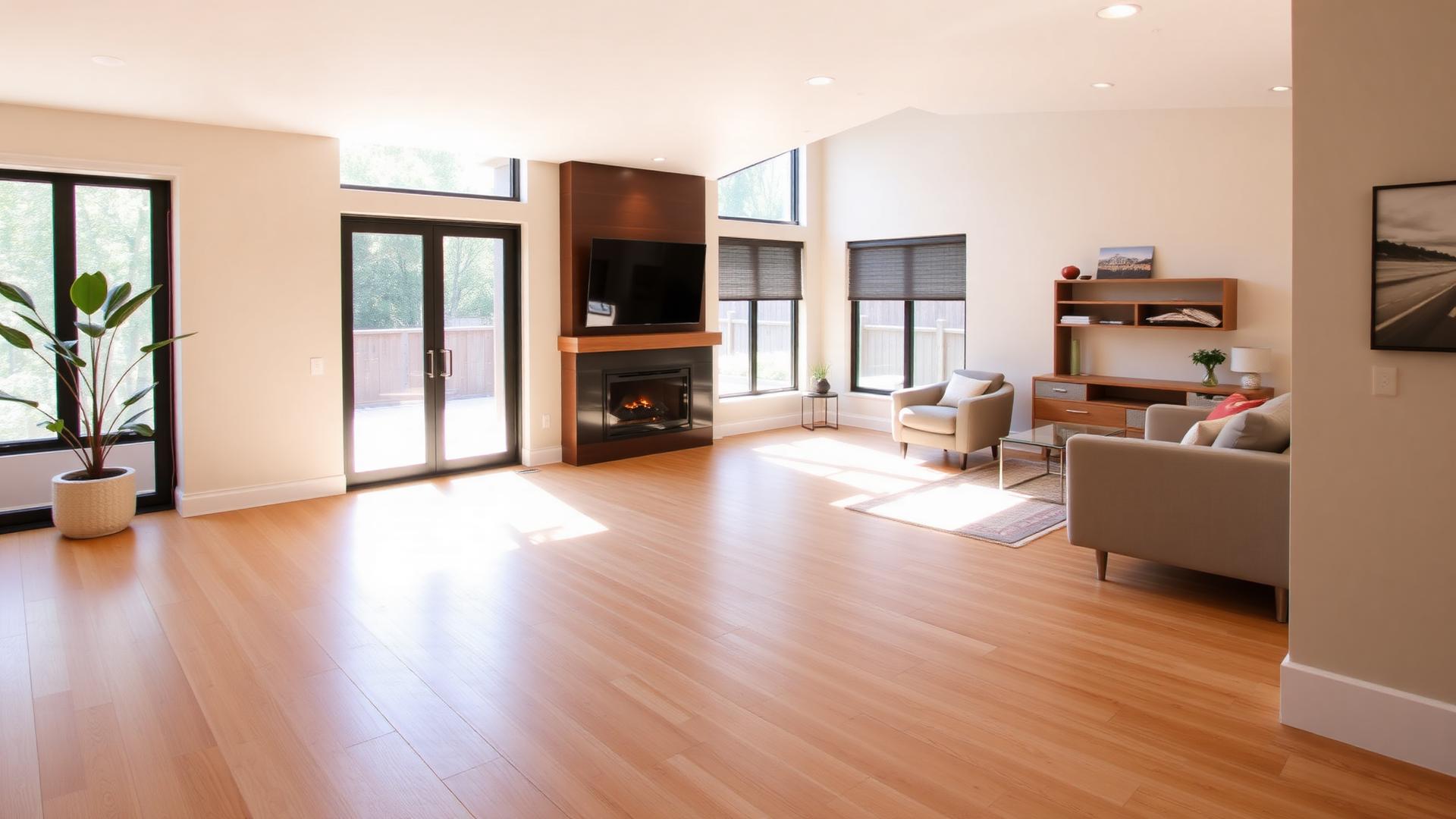
Radiant floor heating distributes heat evenly across the floor, eliminating cold spots and uneven temperatures in each room. The result is a consistent level of warmth throughout the space.
Quiet Operation
Unlike forced air heating systems that rely on ducts and create fan noise, hydronic radiant floor heating operates silently. There are no vents pushing air and no noise from airflow.
Improved Air Quality
Traditional systems distribute allergens and dust through the air. Radiant floor systems eliminate this issue by removing air circulation from the equation. This reduces allergens and improves indoor air quality.
Energy Efficiency
Hydronic heating systems are designed to deliver efficient heat with minimal heat loss. Because the heat is delivered directly through the floor, less energy is wasted heating unused air space near the ceiling.
Not all hydronic radiant systems are the same. The design and installation method depends on the structure.
Types of Hydronic Radiant Floor Systems
In-Slab Systems
In-slab hydronic radiant floor heating systems are installed in a concrete slab. Tubing is embedded in the concrete, allowing the slab to retain heat and release it gradually. This method is highly efficient and ideal for new construction projects.
Subfloor and Dry Installations
For retrofit applications, tubing can be installed beneath the subfloor. These dry installations are common in renovations and allow radiant floor heating to be added without major structural changes.
Staple-Up Systems
Staple-up systems attach tubing to the underside of the floor between joists. Proper insulation is critical in these systems to ensure heat is directed upward into the room.
A properly installed hydronic radiant floor system is critical to performance.
Our Hydronic Radiant Floor Heating Installation Process
We design hydronic heating systems based on heat load, floor covering, and room layout. Proper planning ensures even temperatures and efficient performance.
We install high-quality tubing with precise spacing. This ensures consistent heat distribution across the radiant floor.
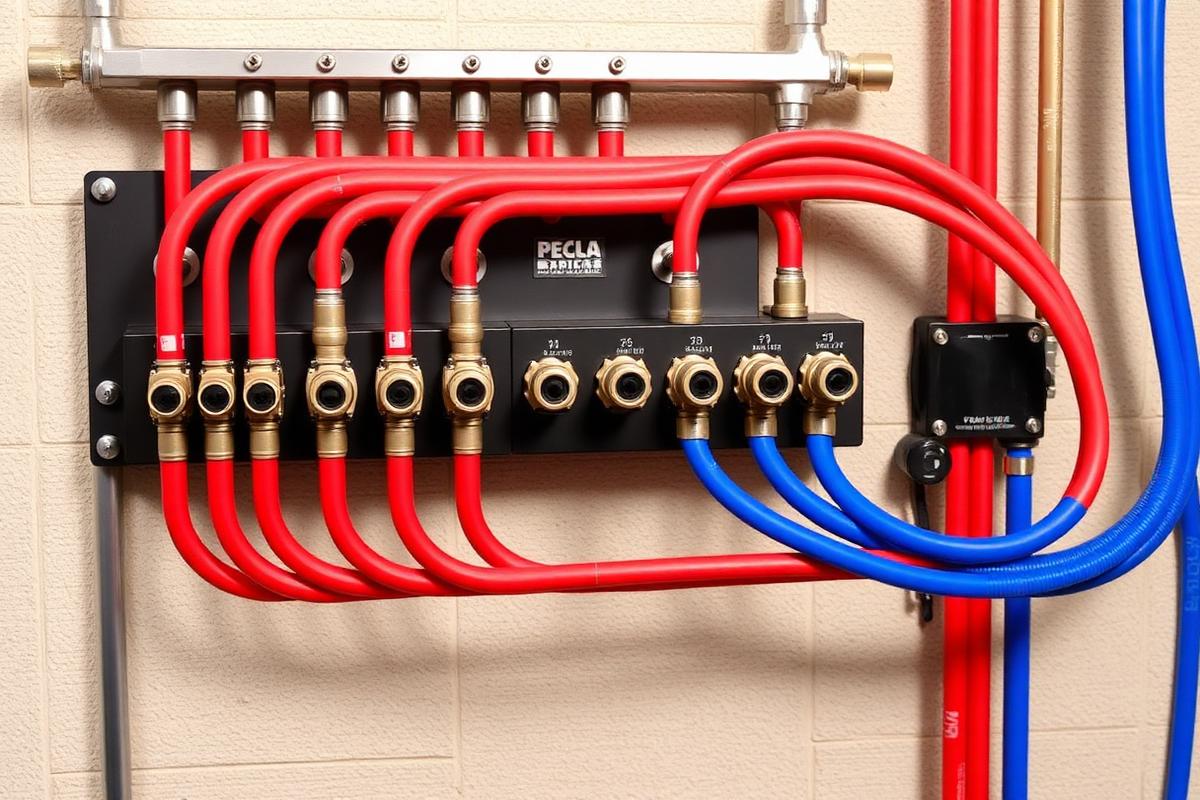
The boiler is the core of hydronic systems. We install and configure all components, including pumps, manifolds, and controls, to ensure efficient operation.
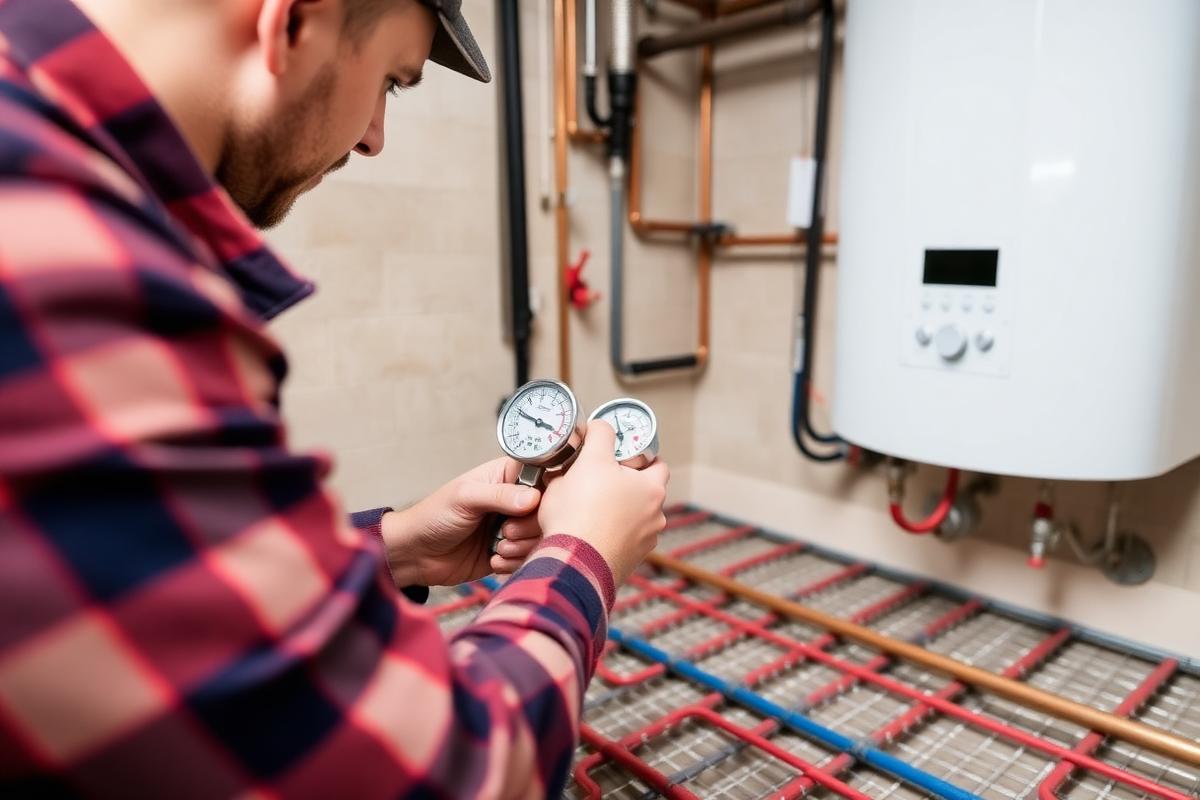
Before closing the system, we perform pressure testing to ensure there are no leaks. Once installed, the system is balanced to deliver consistent heat across all zones.
Where Radiant Floor Heating Works Best
Radiant floor heating systems can be installed in a variety of spaces.
Common applications include:
- Basement heating systems
- Bathrooms with tile flooring
- Living areas and open spaces
- Garage installations
- Crawl space retrofits
Hydronic radiant floor heating is particularly effective in concrete and slab construction, where heat retention is maximized.
Common Problems with Radiant Heating Systems
Even the best heating systems can experience issues if not properly designed or installed. We frequently diagnose and repair these problems. Proper maintenance and system design prevent most of these problems.
Cost and Efficiency of Hydronic Radiant Floor Heating
The cost of hydronic radiant floor heating depends on several factors:
- Size of the space
- Type of floor heating system
- Installation complexity
- Boiler requirements
While upfront installation costs can be higher than traditional heating systems, hydronic radiant floor systems provide long-term efficiency and reduced operating costs.
Hydronic systems deliver efficient heating by using water to transfer heat, which is more effective than air-based systems.
Radiant Heating vs Forced Air Heating
Radiant heating systems and forced air heating systems operate very differently.
Forced air heating uses ducts and vents to distribute warm air throughout the home. This can lead to uneven temperatures, noise, and air quality issues.
Radiant floor heating systems provide consistent heat, eliminate ducts, and improve comfort. There is no fan noise, no air movement, and no distribution of dust or allergens.
Why Choose DJ Plumbing and Heating Service
Choosing the right contractor is just as important as choosing the right heating system. At DJ Plumbing and Heating Service, we focus on: Our experience with hydronic heating, plumbing systems, and boiler installation ensures your system performs efficiently from day one.
Maintenance and Long-Term Performance
Hydronic radiant floor heating systems require minimal maintenance, but regular checks are important.
Maintenance includes:
- Checking system pressure
- Inspecting components
- Ensuring boiler efficiency
- Verifying thermostat operation
Routine maintenance helps extend the life of the system and maintain efficiency.
Frequently Asked Questions About Hydronic Radiant Floor Heating
Get a Free Quote Today
Fill out the form below and one of our team members will contact you within 2 hours during business hours.
Why Request Service Online?
Fast Response
We respond to all online requests within 2 hours during business hours.
Upfront Pricing
Receive a detailed quote before any work begins—no surprises.
Flexible Scheduling
We'll work around your schedule to find a time that works for you.
Heating Contractor Service Areas
We proudly provide heating contractor in:
Heating Contractor
Get Started with a Radiant Heating System That Works
Hydronic radiant floor heating is one of the most effective ways to heat a home. It delivers consistent heat, improves air quality, and provides long-term efficiency compared to traditional heating systems. The key to performance is proper design and installation. If you are considering radiant floor heating or need help with an existing system, DJ Plumbing and Heating Service can help you get it right. Contact us today to schedule a consultation.