Plumbing Leak Detection
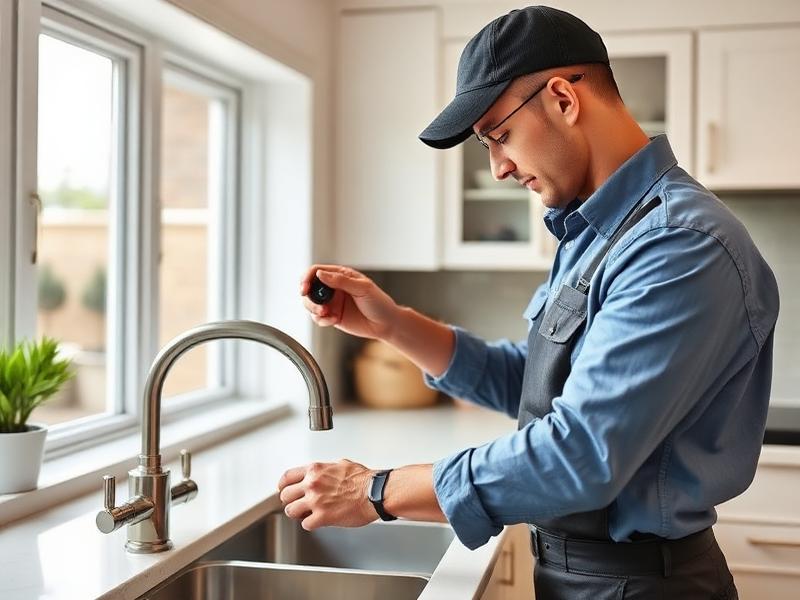
Fast, Non-Invasive Leak Detection by Licensed Plumbers. Red Seal Certified with upfront pricing.
What Makes DJ Plumbing & Heating Service Different
Plumbing leaks in the Lower Mainland are sneaky. Many start small behind walls, under floors, or in ceilings and only show up as a stain, a smell, or a higher water bill. By the time you see obvious damage, the leak has often been there for weeks or months.
DJ Plumbing & Heating Service focuses on finding leaks early, with as little cutting and guessing as possible. We use professional leak detection tools, including advanced acoustic listening devices, non-invasive devices used by professional plumbers to detect hidden leaks by capturing the sound of escaping water, even in hard-to-reach areas. Our professional leak detection services rely on advanced technology and specialized leak detection equipment to accurately locate leaks without invasive demolition. These devices and technology help prevent extensive property damage by enabling prompt detection and repair, reducing the risk of extensive damage to your property. Prompt leak detection and repair can also prevent costly water damage and mold growth. We combine local experience with a clear step-by-step process so you know what is happening in your home at every stage.
Why Accurate Leak Detection Matters
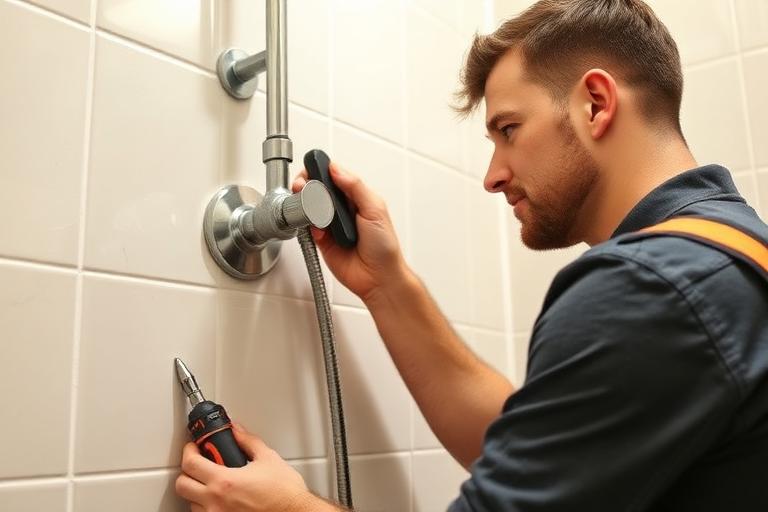
Water leaks are the most common type of plumbing leak and can cause extensive property and structural damage if left unaddressed. Unchecked leaks can also result in mold growth and extensive damage to your home's structure, leading to costly repairs and health risks. Guessing at leak locations and cutting random holes is expensive and stressful. Precise leak detection lets us open only where we need to, fix the problem properly, and keep your repair costs under control.
Leak Detection Services
As leak detection specialists, DJ Plumbing & Heating Service uses advanced devices and leak detectors to accurately locate leaks. Our professional leak detection services rely on specialized leak detection equipment, such as acoustic sensors and thermal imaging cameras, to find hidden leaks. Customers choose professional leak detection services for their precision and non-invasive methods. We work in real homes and condos across the Lower Mainland. We understand older copper, Poly-B, condo stacks, winter freeze issues, and how water travels through local buildings.
Common Signs You Need Leak Detection
Warning Signs Inside Your Home
Call for leak detection if you notice:
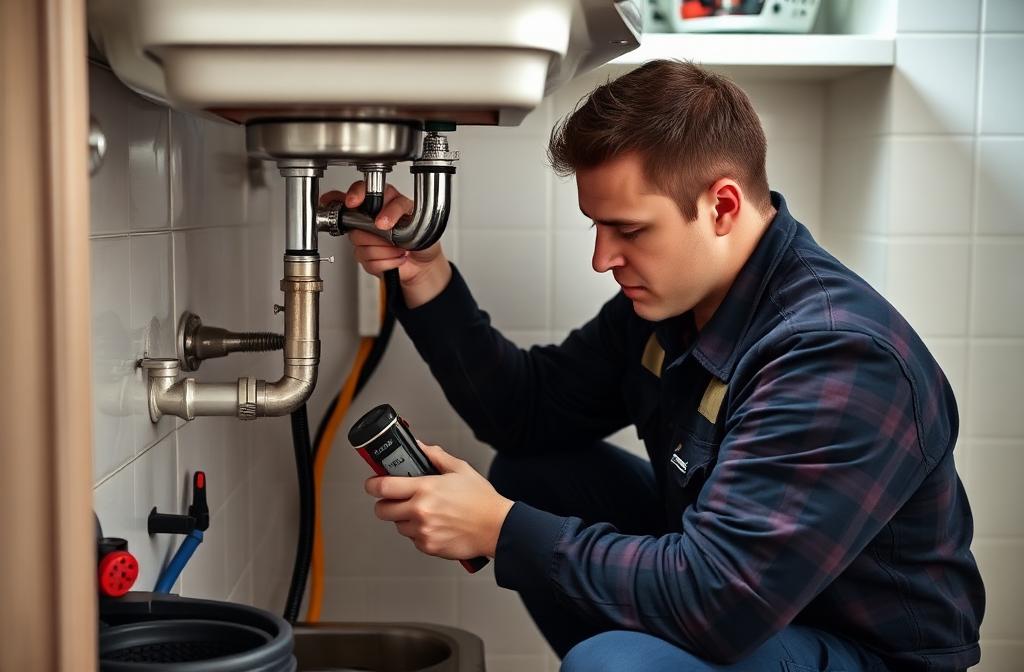
- Musty smells or damp spots on walls, ceilings, or floors
- Bubbling, peeling, or stained paint and drywall
- Warm or cold "patches" on floors, especially over concrete slabs
- Dripping, trickling, or running water sounds when taps and toilets are off
Signs Around Your Plumbing System
You may have a hidden leak if you see:
- Sudden drop in water pressure at one or more fixtures
- Water meter spinning when every tap and appliance is off
- Toilets that run randomly or never fully shut off
- Rust, green staining, or moisture on visible pipes, valves, or braided hoses
Bill and Health Red Flags
Don't ignore:
- An unexplained jump in your water bill
- Mold spots or mildew that keeps coming back in the same area
- Ongoing musty odors in a bathroom, laundry, or lower level
Our Leak Detection Process (Step by Step)
We start as simply and cleanly as possible. This helps us build a map in our heads of where water could be travelling and which parts of your system are most likely involved.
- Talk through what you've noticed: sounds, smells, stains, water bill changes, recent work, and the age of the home.
- The first step in plumbing leak detection is a thorough visual inspection of pipes, joints, and connections for signs of leakage or damage. We walk the home and inspect visible plumbing, ceilings, walls, and mechanical areas, looking for damp spots and discoloration.
- Look for stains, swelling, mold, corrosion, and past patch jobs.
Before we start "hunting," we confirm that a leak actually exists in the system. If the meter is moving or the pressure drops, we know there is a hidden leak somewhere in the plumbing system.
- Turn off all fixtures and appliances and check the water meter.
- Use the low-flow indicator to see if water is moving when everything is off.
- Perform basic pressure tests on isolated parts of the piping to detect water leaks by pressurizing sections of pipe to isolate the leak area.
Once we know there is a leak, we move to non-destructive diagnostics using advanced leak detection equipment and technology. We always start with the least invasive methods and only move deeper if needed.
- Acoustic listening devices and acoustic/ultrasonic detectors: professional-grade devices that detect leak sounds beyond human hearing, essential for finding hidden leaks in copper and PEX pipes behind walls, ceilings, and slabs.
- Thermal imaging cameras: infrared technology shows hot or cold tracks where water is moving, great for identifying hot water leaks under floors or behind tile and drywall.
- Moisture meters: measure moisture in drywall, wood, and concrete to confirm which areas are wet and how far water has spread.
- Endoscopic cameras: allow visual inspection inside pipes and fittings to identify and locate hidden leaks within walls or hard-to-reach areas.
- Video camera inspection: small camera heads used in drains and sewer lines for leaks or breaks in drainage systems, stacks, and buried lines.
- Smoke testing: smoke is introduced into plumbing or sewer systems to identify leaks and water infiltration by observing where smoke escapes.
- Bubble soap leak detectors: soap solution applied to pipe joints; bubbles form at the site of a leak, making it easy to identify the exact location.
- Tracer dyes: special dyes introduced into the system to help pinpoint the exact location of leaks within various plumbing systems.
- Water leak detectors and smart leak sensors: devices that detect the presence of water and send alerts if moisture is detected under sinks, behind toilets, or near water heaters.
- Tracer gas (for tough cases): harmless gas introduced into isolated lines; sensitive detectors pick up where it escapes, even through slabs and walls.
- Pressure test kits: designed for leak detection specialists, used to test and identify leaks by monitoring pressure changes.
Once we have located the leak and understood the cause, we walk you through the findings and options.
- Determine and identify the exact source of the leak, then show you where it is and explain what failed in simple language.
- Discuss options: spot repair, rerouting, partial repipe, or larger upgrades if the system is at the end of its life.
- Explain the difference between a temporary "hold back the water" fix and a proper permanent repair.
- After repairs, we restore the slab or repaired area back to its original condition to maintain structural integrity and prevent further damage.
- Give clear, upfront pricing before we start work.
After the repair, we confirm everything is fixed and explain what to watch for.
- We re-pressurize the system and check for drops.
- We re-check with our tools (listening, thermal, moisture) in the repaired area.
- We walk you through what we repaired, what to watch for, and any recommendations to prevent future leaks.
Types of Leaks We Find and Repair
Water Supply Line Leaks
We often see:
- Copper pinhole leaks in older homes in Coquitlam, Burnaby, and Vancouver.
- Poly-B piping starting to fail at fittings or in long runs.
- PEX and copper connection leaks at shutoff valves and manifolds.
- Failing PRVs (pressure reducing valves) and main shutoffs.
- Braided hose failures on toilets, sinks, dishwashers, and washing machines.
Fixture and Appliance Leaks
Common leak sources include:
- Toilets: flappers, fill valves, tank-to-bowl seals, and supply lines.
- Under-sink plumbing: traps, angle stops, braided supplies, and loose connections.
- Tub and shower valves leaking behind tile or through trim.
- Washing machine hoses and laundry tubs.
- Hot water tank connections, T&P valves, and nearby piping.
Slab, Underground, and Hard-to-Reach Leaks
In parts of the Lower Mainland with slab-on-grade homes or in-slab piping, we see cold and hot water lines leaking under concrete floors, main water lines leaking in yards or driveways, and condo and strata riser leaks where water lands several floors away from the failure. Slab leaks can threaten the structural integrity of a home's foundation and, if not detected and repaired promptly, may lead to significant structural damage. These are the cases where non-invasive tools and a methodical approach really matter.
- Cold and hot water lines leaking under concrete floors
- Main water lines leaking in yards or driveways
- Condo and strata riser leaks where water lands several floors away from the failure
Seasonal and Weather-Related Leaks
Even in our mild climate, we deal with:
- Frozen pipes in exterior walls, crawlspaces, garages, and unheated basements
- Burst pipes after cold snaps when frozen sections start to thaw
- Leaks that start small but worsen due to ground movement and older foundations
How We Protect Your Home During Leak Detection and Repair
Containing the Work Area
We treat your home like a jobsite and a living space at the same time.
- Lay down runners and drop cloths from the entry to the work area
- Use plastic sheeting or temporary barriers when dust or cutting is required
- Keep the work zone tight and controlled
Protecting Floors, Furniture, and Pathways
Before we start:
- Move or cover furniture as needed
- Protect floors, carpets, and stairs in all traffic paths
- Wear clean shoe covers in finished areas
Managing Water and Air Quality
When a leak is active, we:
- Catch and control water with buckets, towels, and pumps
- Cover nearby heating vents to keep dust and moisture out of your HVAC system
- Use natural ventilation when cutting or opening small access points
Clean Workmanship and Daily Cleanup
At the end of the job, old parts, cutouts, and debris are removed from your home; work areas are wiped, swept, or vacuumed; and access openings are left neat and ready for drywall or restoration if needed. Many customers comment on our organization and cleanliness.
- Old parts, cutouts, and debris are removed from your home
- Work areas are wiped, swept, or vacuumed
- Access openings are left neat and ready for drywall or restoration if needed
Temporary Fixes vs Permanent Repairs
When a Temporary Repair Makes Sense
We do use temporary measures in true emergencies. These are stop-gap options when the main goal is to stop water and prevent more damage while we plan the proper fix or while restoration and insurance details are sorted out.
- Pipe repair clamps on a straight run of pipe to stop an active spray
- Epoxy putty on a small pinhole to buy time for a proper repair
- Self-fusing silicone tape or rubber wrap with clamps on minor leaks
When You Need a Permanent Solution Right Away
We recommend a permanent repair when conditions call for it. Permanent solutions may include cutting out damaged pipe, repiping sections, rerouting lines, or upgrading from older materials.
- The leak is inside a wall, ceiling, or floor that will be closed back up
- The line is critical, such as the main water supply or a condo riser
- The pipe material is known to fail (old galvanized, badly corroded copper, Poly-B)
- You have already had more than one leak in the same area
How We Explain Your Options
We will:
- Show you what we found, not just tell you
- Explain clearly what a temporary fix can and cannot do
- Lay out costs and risks for both short-term and long-term options
- Give our honest recommendation, but let you make the final choice
Slab Leak Under a Living Room
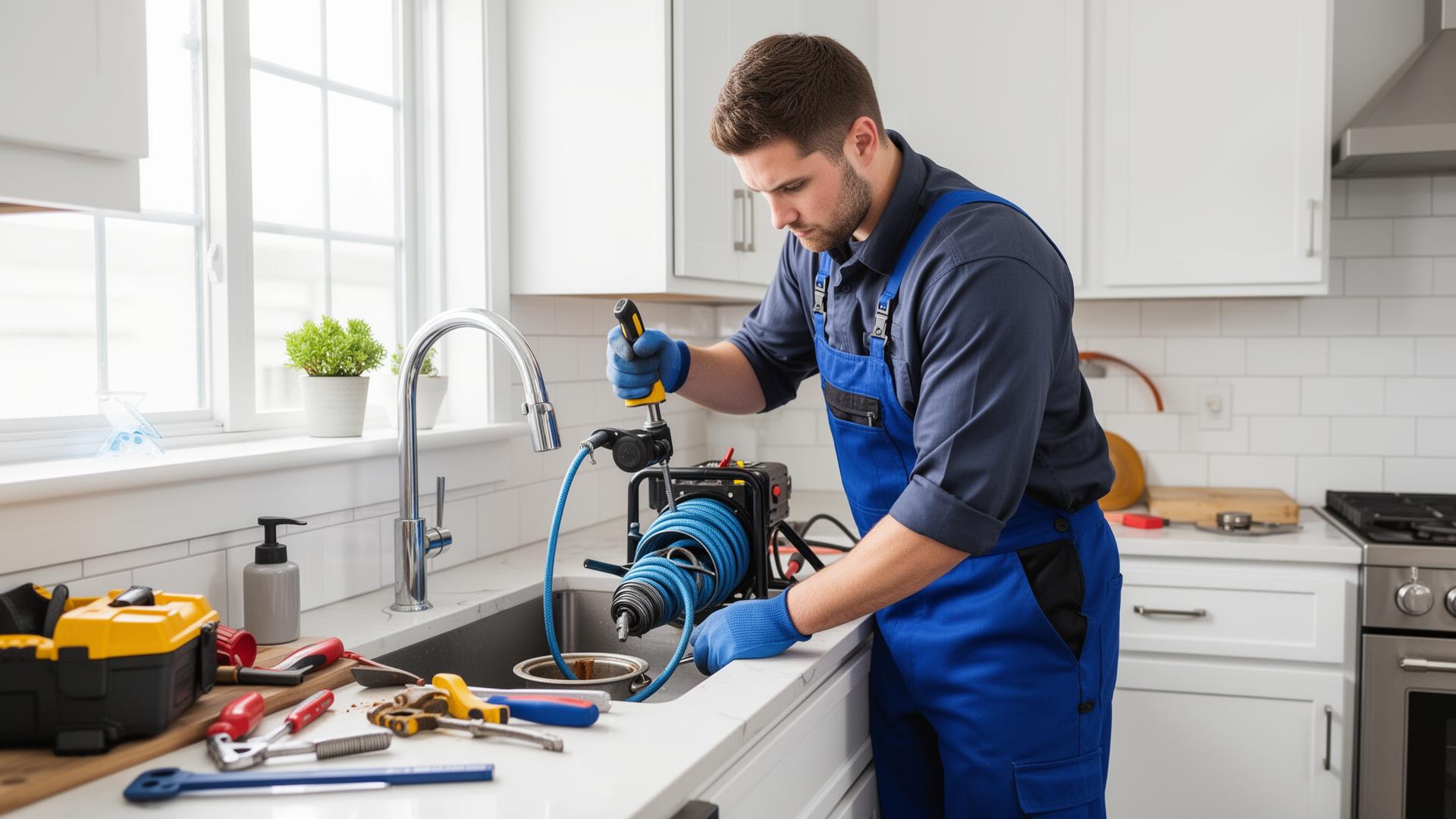
A homeowner noticed a warm spot on the living room floor and a steady rise in their water bill. No visible leaks anywhere.
Hidden Hot Water Leak Above a Storage Room
A small business owner smelled a musty odour and saw ceiling discoloration in a storage room, but could not find any obvious leak.
Tricky Condo Leak Travelling Several Floors
In a high-rise condo, multiple units on a mid-level floor had ceiling stains and minor drips. The real failure was nowhere near the visible damage.
Myths We Hear All the Time
"It's just a small drip, it's not urgent."
Even small drips waste a lot of water over time and can rot framing and subfloors.
"If I don't see water, there is no leak."
Many leaks hide behind walls, ceilings, and cabinets for months.
"Leaks will dry up or fix themselves."
They don't. They only get worse, especially under pressure.
"Leak detection means you'll have to rip my walls apart."
With modern tools, most leak detection is non-invasive. We only open where we have to.
What Homeowners Should Never Do When They Suspect a Leak
- Ignore a spinning water meter or a sudden bill increase
- Paint over stains or mold without finding the cause
- Cut random holes in walls or ceilings without a plan
- Pour harsh chemicals into drains to "clear" a slow leak issue
Simple Ways to Prevent Future Leaks
- Replace old braided hoses and cheap shutoff valves before they fail
- Insulate exposed pipes in crawlspaces, garages, and exterior walls
- Keep water pressure in a healthy range and maintain your PRV
- Book annual or bi-annual plumbing inspections in older homes
- Watch for early warning signs instead of waiting for a flood
24/7 Emergency Leak Detection and Same-Day Service: When to Call Us Right Now
Call immediately if you have active water spraying or flooding, a ceiling or wall that is bulging with water, a sudden major drop in water pressure plus visible damage, or a leaking hot water tank or burst supply line. Subject to availability, we offer same-day and after-hours emergency response for active plumbing leaks.
What to Do While You Wait
Plumbing Leak Detection FAQs
Residential, Condo, and Strata Leak Detection
We work with:
Get a Free Quote Today
Fill out the form below and one of our team members will contact you within 2 hours during business hours.
Why Request Service Online?
Fast Response
We respond to all online requests within 2 hours during business hours.
Upfront Pricing
Receive a detailed quote before any work begins—no surprises.
Flexible Scheduling
We'll work around your schedule to find a time that works for you.
Plumbing Services Service Areas
We proudly provide plumbing services in:
Schedule Your Leak Detection Today
If you suspect a leak in your home or condo anywhere in the Lower Mainland, don't wait for it to turn into a major repair. Reach out to DJ Plumbing & Heating Service to speak directly with a licensed plumber who understands local homes, older piping, and modern leak detection tools. Let's find the leak, fix it right, and protect your home for the long term.