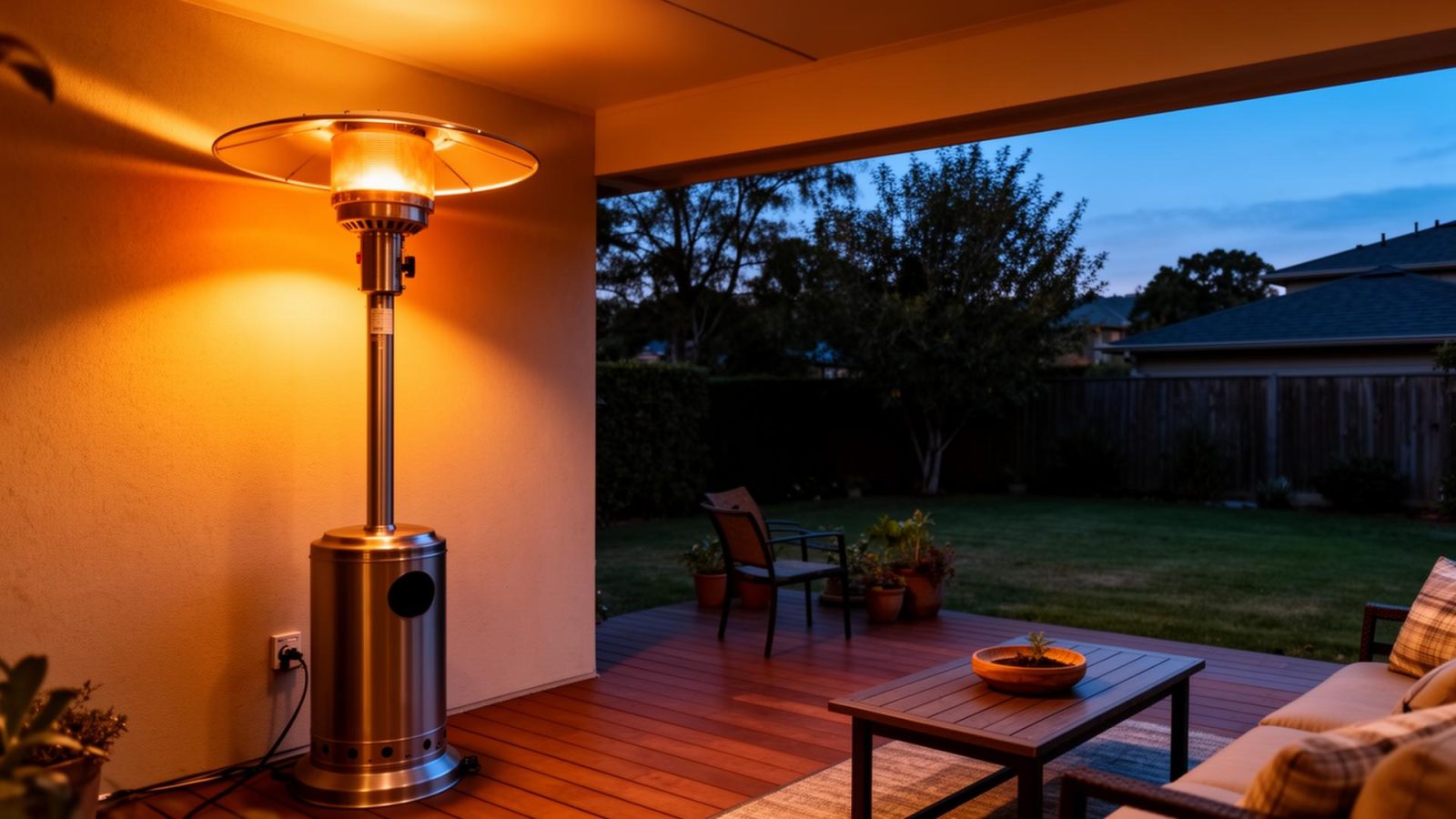
Gas Patio Heater Installation
Professional patio heater installation you can trust. Licensed gas fitters with upfront pricing and workmanship guaranteed.
Professional Patio Heater Installation You Can Trust
A properly installed patio heater allows you to enjoy your outdoor space comfortably throughout the cooler months. Whether you are heating a private patio, a covered deck, a commercial dining area or any other commercial spaces, the installation must be done safely and correctly. Patio heaters involve gas, ventilation clearances, and structural mounting considerations, so they should always be installed by licensed professionals.
At DJ Plumbing & Heating Service, our certified gas fitters and heating technicians install patio heaters with a clear focus on safety, reliability, and code compliance. We take the time to help you decide on the right system for the space, ensure proper gas supply sizing, secure mounting, and complete testing before the heater is put into use. Our approach is careful and methodical, and our goal is always long-term performance and peace of mind.
Over the years, we have also corrected many unsafe DIY heater setups. These include installations with incorrect clearances, undersized gas lines, and appliances that were simply not designed for the space. Always follow the manufacturer's instructions regarding clearances and assembly for specific patio heater models. Experiences like these reinforce why patio heating belongs in the hands of trained professionals.
A professionally installed patio heater allows you to enjoy comfortable outdoor living all year round. You get consistent warmth, safe operation, and dependable performance when it matters most. Patio heaters must be installed by a licensed and authorized technician in accordance with local electrical codes. Contact us for further details on installation requirements, clearance standards, and to discuss personalized outdoor heating solutions.
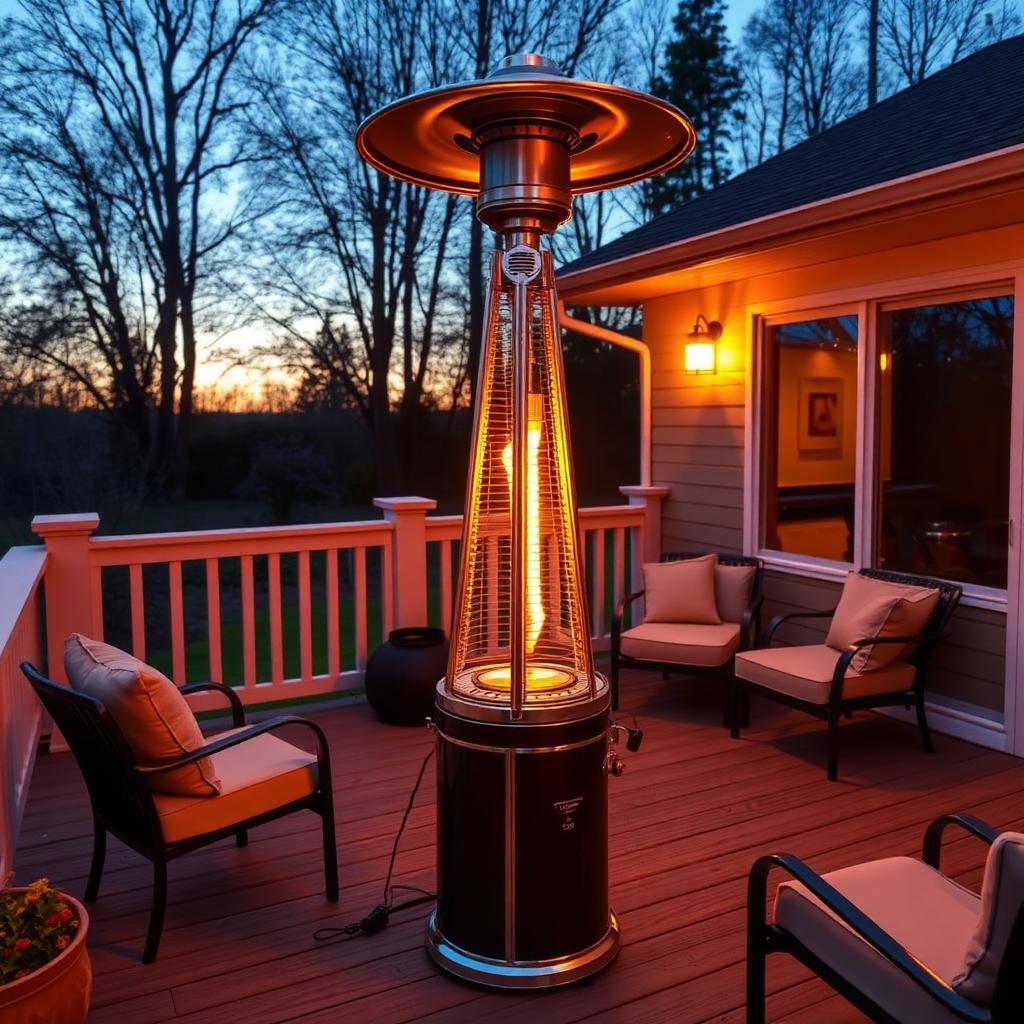
Why Install a Patio Heater?
A patio heater can help get the most of your outdoor space entertainment space. Instead of retreating indoors when temperatures drop, you can continue enjoying evenings outdoors comfortably. Homeowners use patio heaters to make covered decks, pergolas, and patios welcoming in the cooler seasons. Businesses use them to maintain outdoor seating and guest comfort.
Patio heaters offer benefits such as extended outdoor dining seasons, consistent and predictable warmth, improved comfort for entertaining, and an inviting atmosphere that simple blankets or portable heaters cannot match. Professionally installed patio heaters are also more stable, more reliable, and better integrated into the property than typical portable propane units.
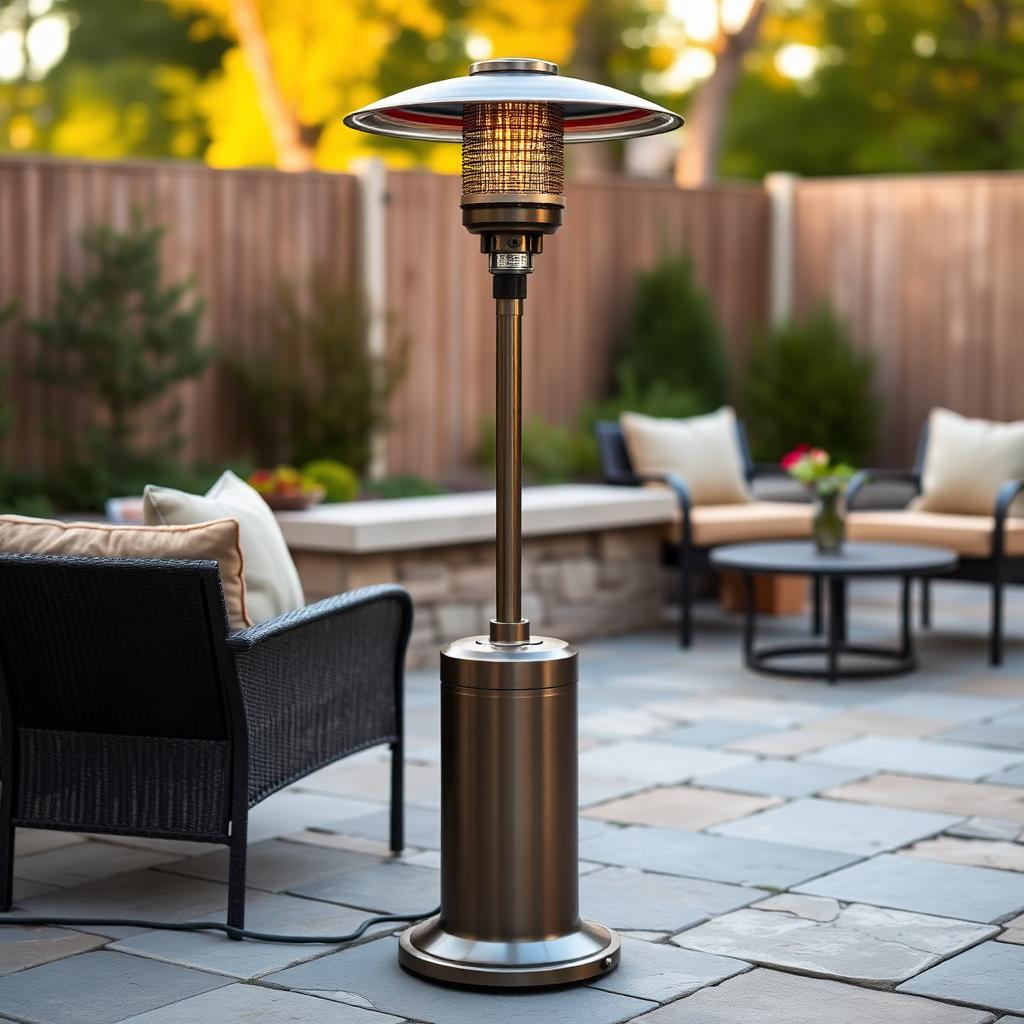
Patio Heating
Patio heating is ideal for homes, strata developments, restaurants, cafes, hotels, and hospitality spaces that want to elevate their outdoor environments.
Licensed & Insured
Certified gas fitters with extensive outdoor heating experience
On-Time & Clean
Professional service with full cleanup and respect for your property
Guaranteed Work
Transparent pricing upfront with a workmanship guarantee
Types of Patio Heaters We Install
Every patio and outdoor space is unique. The right heater depends on layout, coverage area, ventilation, fuel source, and design preferences. We help you select the best option for your space.
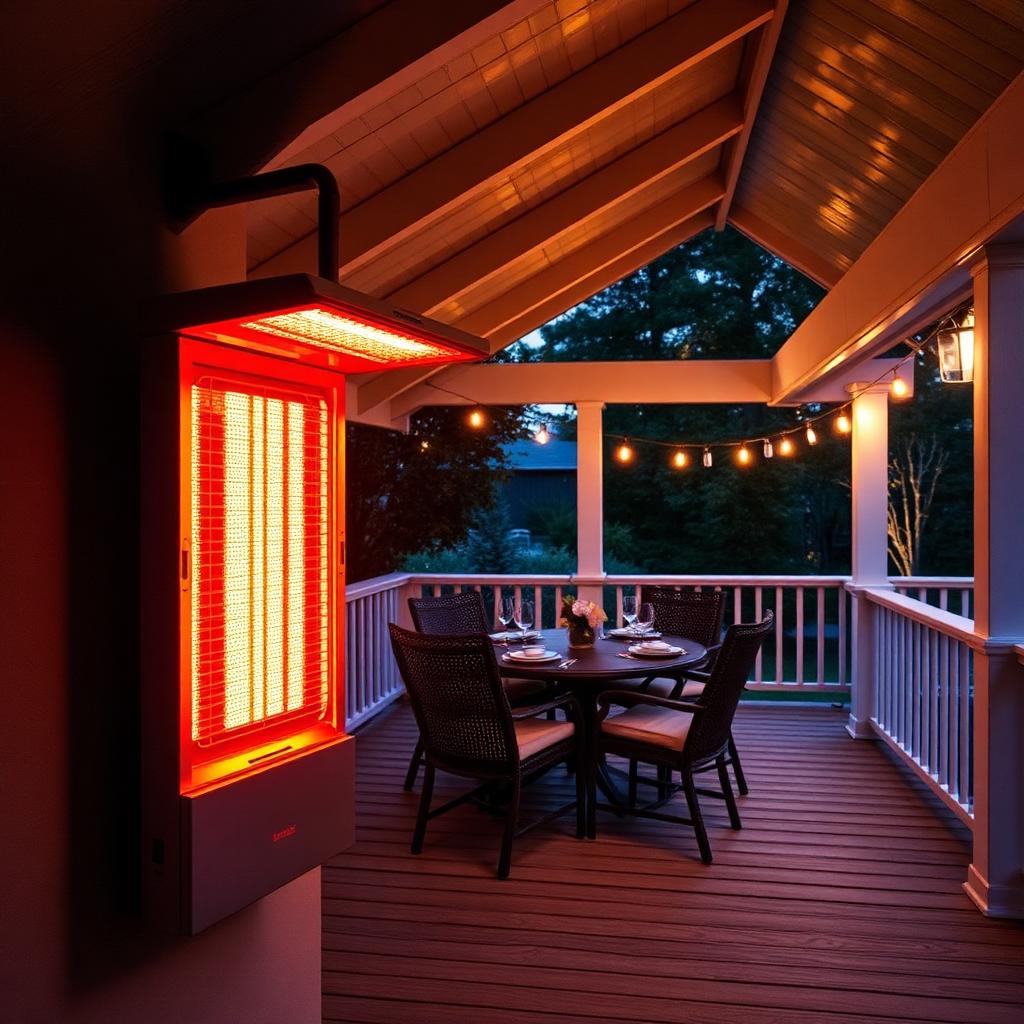
Electric patio heaters can be mounted from the ceiling, on a wall, or recessed into the ceiling, and require a power source, while gas heaters do not need an electrical connection. Choosing the correct model is important to match your installation requirements and desired features.
Wall-Mounted and Overhead Patio Heaters
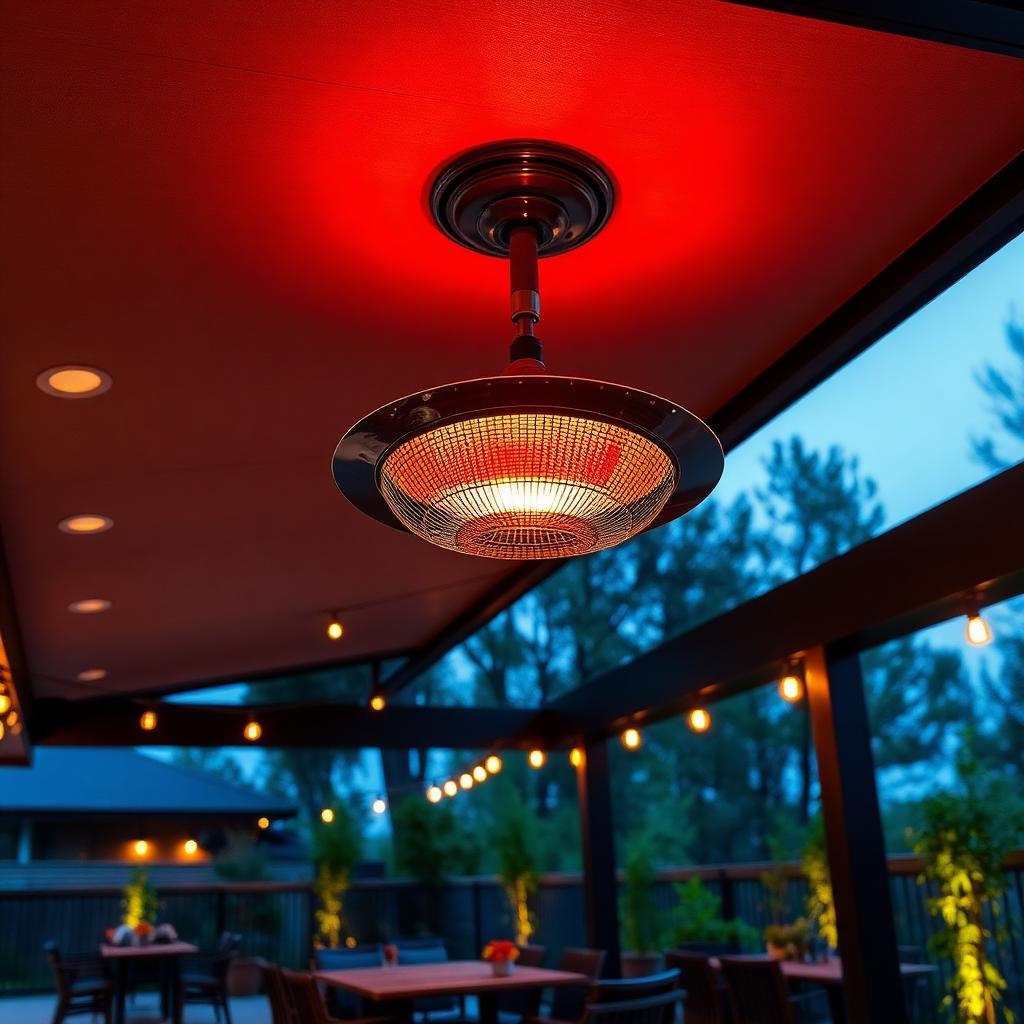
Wall-mounted and overhead heaters are ideal for covered patios, pergolas, and outdoor rooms. Because they are installed out of the way, they preserve floor space and deliver clean, even heat coverage. When wall mounting electric patio heaters, they must be positioned at a 15-45 degree angle and at least six feet above the floor, using heavy-duty anchors for safety.
Free-Standing Patio Heaters
Free-standing patio heaters are a good choice for open backyard spaces or areas where mounting is not possible. They can operate on natural gas or propane and allow flexibility in placement. Patio heaters should always be placed on a stable, level surface to prevent tipping.
Infrared Patio Heaters
Infrared heaters warm people and objects rather than the surrounding air. This type of radiant heat is more efficient outdoors and provides a comfortable warmth that is not affected as much by breeze or open air.
Gas vs Electric Patio Heaters
Gas patio heaters generally provide stronger heat output and are ideal for larger spaces such as restaurants or spacious patios, consuming between 20,000 to 40,000 BTUs per hour depending on the model. They require proper gas supply sizing, safe routing, and ventilation clearances.
Electric patio heaters work well in semi-enclosed outdoor rooms and modern design settings. Many electric models offer remote control, timers, and adjustable heat settings. They must be installed by a licensed technician and should never be run with extension cords.
The choice depends on space size, utility access, aesthetics, and heating goals. We help you make the right decision.
Our Patio Heater Installation Process
We follow a structured, safety-driven installation process to ensure your heater operates safely and efficiently.
We begin with a consultation and site assessment to review your outdoor space, seating layout, heating requirements, and equipment options. Next, we plan for code compliance and safety requirements, including clearances, mounting locations, gas line routing, and ventilation considerations.
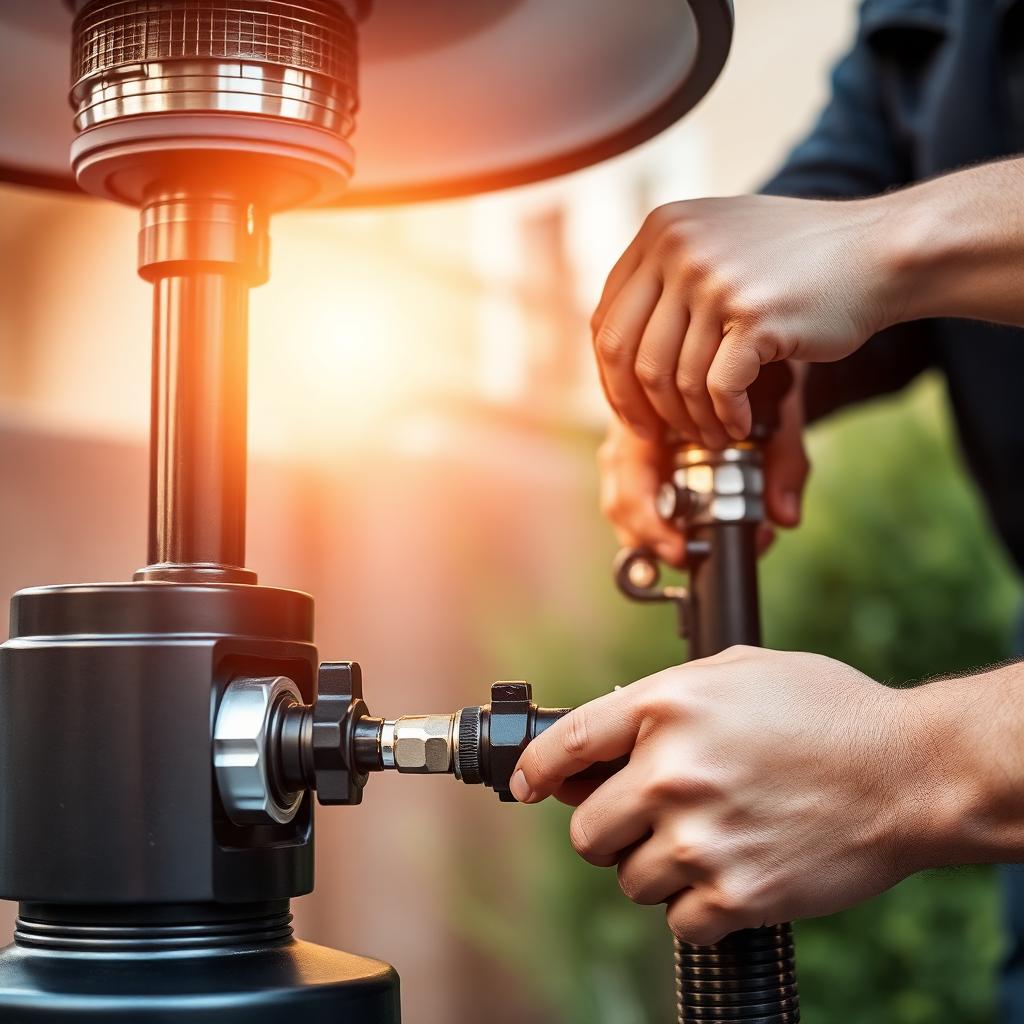
If a new gas line or electrical upgrade is needed, we design and install it to meet all requirements. When mounting and securing the heater, we carefully mark and assemble the mounting brackets, using heavy-duty anchors to ensure secure attachment to walls or ceilings for optimal safety and heat distribution. For gas patio heaters, we tap into existing gas lines when possible to provide a reliable fuel source. We then connect utilities and conduct full leak checks and operational testing. Before lighting the heater for the first time, hold the control knob in the pilot position for 45 to 60 seconds to purge air from the lines. Once complete, we walk you through heater operation and safe use guidelines, including keeping patio heaters away from children and pets for safety.
Attention to detail is built into every step of the process.
Do You Need a Gas Line Installed?
Many patio heaters require a dedicated natural gas line. In some cases, an existing line can be extended, or a technician can tap into an existing gas line to install your patio heater, while in others a new line must be run from scratch. We handle all gas line design and installation as part of the project, ensuring proper sizing, safe routing, and code compliance.
Safety Matters: Always Hire a Professional
Patio heaters involve open combustion, gas supply, ignition systems, and heat output that must be managed carefully. Key safety considerations include leak prevention, gas system integrity, ventilation clearances, structural mounting, carbon monoxide risk mitigation, and adherence to legal and insurance requirements. Always maintain at least 1 meter (about 3 feet) clearance from walls, furniture, and combustibles when using patio heaters. Gas heaters typically require at least 3 feet of clearance from all sides and above their units, while electric heaters generally require 6 to 18 inches of clearance from walls and 6 to 24 inches from ceilings, depending on the model. A fire extinguisher with a minimum 2A10BC rating should be kept accessible when using patio heaters.
Unsafe DIY Setups We've Found
- Loose gas connections
- Plastic fuel lines instead of certified connectors
- Heaters installed without adequate clearance
- Undersized gas lines
- Missing ventilation in semi-enclosed spaces
- Appliances not designed for the space
Key Safety Considerations
- Leak prevention and gas system integrity
- Proper ventilation clearances
- Structural mounting with heavy-duty anchors
- Carbon monoxide risk mitigation
- Minimum 3 feet clearance from combustibles
- Fire extinguisher (2A10BC) kept accessible
- Compliance with legal and insurance requirements
We have encountered unsafe DIY patio heater setups such as loose connections, plastic fuel lines, and appliances installed under structures without adequate clearance. These situations put people and property at risk.
Professional installation removes that risk.
Maintenance and Service Support
Like any heating equipment, patio heaters benefit from periodic servicing. We offer inspection, cleaning, ignition system testing, valve checks, and leak detection to keep your system operating safely and efficiently. We recommend using covers or sheltered storage to protect your patio heater from weather exposure, rust, and damage. Always store propane tanks upright outdoors, away from heat, flames, and smoking areas.
Our goal is to remain your long-term heating partner, not just your installer.
Why Choose DJ Plumbing & Heating Service for Patio Heater Installation?
We value long-term client relationships built on trust and quality work.
Ideal Applications for Patio Heaters
Anywhere outdoor comfort matters, patio heating makes a real difference.
Cost and Value of Patio Heater Installation
The cost of installing patio heaters can vary widely based on the type of heater you choose, the size of your outdoor space, and the complexity of the installation. Natural gas patio heaters, for example, often require a dedicated gas supply line, which can increase upfront costs but delivers efficient heating for larger areas and long-term savings on fuel.
Infrared heaters are another popular option, typically offering a more budget-friendly installation while still providing efficient heating. They are especially effective in targeted areas and can be ideal for smaller patios or spaces where quick, direct warmth is desired.
When evaluating the cost of patio heater installation, it's important to consider not just the initial expense, but also the benefits: increased usability of your outdoor space, enhanced comfort, and even a potential boost in property value. A licensed professional can help you assess your needs and recommend the most efficient and cost-effective heater for your space.
Designing Your Outdoor Space for Patio Heating
Creating a comfortable and safe outdoor space with patio heaters starts with thoughtful design and careful planning. Proper placement of your heater is essential for efficient heating and minimizing risk. For wall-mounted heaters, maintaining a minimum clearance of 8 feet from the floor to the heater surface is recommended to ensure safe operation and prevent accidental contact.
It's also important to consider the materials in your outdoor space. Flammable materials and other objects should always be kept at a safe distance from the heater to reduce the risk of fire.
Other factors, such as wind direction and moisture levels, can impact the efficiency and safety of your patio heater. By carefully planning the layout and operation of your patio heater, you can create a warm, inviting, and safe outdoor environment that can be enjoyed throughout the year.
Understanding Local Regulations and Permits
Before installing a patio heater, it's crucial to understand the local regulations and permit requirements that apply to your area. Many municipalities require permits for gas or electrical work, especially when installing natural gas or propane heaters. These permits help ensure that your installation meets all safety standards, including proper ventilation, clearance requirements, and the inclusion of safety features like automatic shut-off.
Homeowners should also be aware of any local restrictions on the use of certain types of heaters, such as those fueled by propane or natural gas, and ensure that their chosen heater complies with all relevant codes.
Working with a qualified professional is the best way to navigate the permitting process and ensure your patio heater installation is fully compliant with local laws and manufacturer's instructions.
Frequently Asked Questions
Get a Free Quote Today
Fill out the form below and one of our team members will contact you within 2 hours during business hours.
Why Request Service Online?
Fast Response
We respond to all online requests within 2 hours during business hours.
Upfront Pricing
Receive a detailed quote before any work begins—no surprises.
Flexible Scheduling
We'll work around your schedule to find a time that works for you.
Gas Fitting Service Areas
We proudly provide gas fitting in:
Start Enjoying Your Outdoor Space in Comfort
A professionally installed patio heater allows you to enjoy warmth, comfort, and peace of mind all year long. With DJ Plumbing & Heating Service, you get expert installation, safe workmanship, and reliable heating built to last. Contact DJ Plumbing & Heating Service today to schedule a consultation or request a quote. Your outdoor comfort starts here.